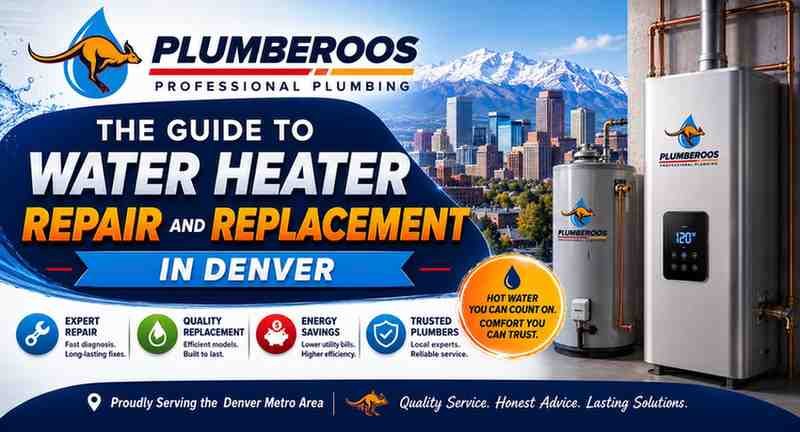
The Guide to Water Heater Repair and Replacement in Denver
There is nothing quite like the rude awakening of stepping into the shower on a crisp Colorado morning, turning the handle, and being greeted by a blast of ice-cold water. In a climate like Denver’s, a functional water heater isn’t a luxury—it’s an absolute necessity for your home’s basic daily comfort.
When your hot water system fails, it disrupts your entire household routine, from morning showers to washing dishes and doing laundry. But how do you know if your system just needs a quick fix or if it’s time to invest in a brand-new unit?
At Plumberoos, we navigate this specific dilemma for local homeowners every day. Whether you reside in an older home in the city center or a newer property out in the suburbs, this comprehensive guide will help you understand your options for Denver water heater repair and complete system replacement.
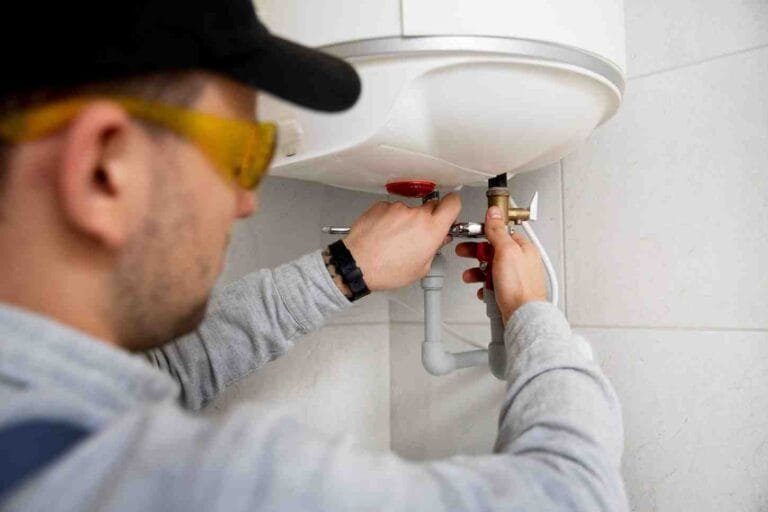
Warning Signs You Need Water Heater Repair
Water heaters rarely fail without dropping a few hints first. Catching these subtle warning signs early can save you from a major flood and expensive property damage.
- Fluctuating Water Temperatures: If your water switches from boiling hot to freezing cold without anyone touching the faucet, your heating elements or thermostat are likely failing.
- Strange Noises from the Tank: If you hear popping, knocking, or rumbling sounds coming from your utility closet, it isn’t a ghost. It is a sign of severe sediment buildup at the bottom of the tank.
- Rusty or Discolored Water: Rusty water coming exclusively from your hot water taps suggests that the interior lining of your tank or your sacrificial anode rod is corroding.
- Slow Recovery Time: If it takes hours for your tank to regenerate hot water after a single shower, your system is struggling to function efficiently.
The Denver Dilemma: Hard Water and Sediment Buildup
A primary driver behind water heater failure across the Denver metro area is our local water chemistry. While our mountain-fed water tastes great, it carries dissolved minerals like calcium and magnesium that settle at the bottom of traditional tank systems over time.
As seen in the diagram above, components like the anticorrosion anode rod and the bottom burner are constantly exposed to these harsh conditions. When mineral scale builds up on the bottom of the tank, it forms an insulating blanket over the burner. The burner then has to run longer and hotter just to heat the water through that thick layer of crust. This overheating cycle stresses the steel tank, eventually causing the metal to fatigue, crack, and leak.
Repair vs. Replacement: Making the Right Call
When our team at Plumberoos inspects a malfunctioning water heater, we evaluate three major criteria to help you decide whether to repair or replace the unit:
1. The Age of the Unit
Traditional tank water heaters typically have a lifespan of 8 to 12 years. If your unit is less than 8 years old and experiencing a minor component failure—like a broken thermocouple, a faulty thermostat, or a bad heating element—a straightforward Denver water heater repair is highly cost-effective. However, if your unit has hit the double-digit mark, investing money into repairs is often just a temporary band-aid on a system nearing the end of its operational life.
2. The Location of the Leak
This is the ultimate deciding factor. If your water heater is leaking from a valve, a pipe connection, or the top fitments, we can easily repair or replace those specific parts. However, if water is pooling at the base of the tank because the internal steel lining has rusted through, a repair is physically impossible. A leaking tank requires immediate water heater replacement in Denver to prevent catastrophic basement flooding.
3. Energy Efficiency and Operating Costs
Older models consume significantly more energy to maintain water temperatures. Upgrading an aging, inefficient unit to a modern model can lower your monthly energy bills immediately.
Your Replacement Options: Tank vs. Tankless
If replacement is your best path forward, you have an important choice to make regarding the type of technology that best fits your household dynamic.
Traditional Storage Tank Heaters
These units maintain a pre-heated reservoir of hot water (typically 40 to 50 gallons) so it is ready whenever you turn on a tap. They have a lower upfront installation cost and work reliably for standard household demands. However, they take up a larger footprint and eventually run out of hot water if multiple appliances run simultaneously.
Tankless Water Heaters
Also known as “on-demand” water heaters, these compact systems heat water instantly using high-powered burners only when a hot water tap is turned on. Because they do not store standing water, they eliminate standby energy loss and provide an endless supply of hot water. They take up very little wall space and boast a lifespan of up to 20 years. While the initial investment is higher, the long-term energy savings and durability make them an incredibly popular choice for Denver families.
Schedule Your Water Heater Service with Plumberoos
No one should have to endure shivering through cold showers or stressing over a leaking utility closet. Whether you need a quick diagnostic repair to get your hot water back online or you want to discuss upgrading to an energy-efficient tankless system, the local team at Plumberoos offers dependable, straightforward local solutions tailored to your home’s budget.
Connect with us directly to book an appointment or get a detailed assessment:
- Website: plumberoos.com
- Phone Line: 720-219-3908
- Direct Email Support: plumbaroos@gmail.com